
High Energy Bills After HVAC Tune Up? Here’s Why

You just paid for a HVAC tune-up. Your system is running. Everything seems fine. But when the next utility bill arrives, the number hasn’t budged.

Sound familiar? You’re not alone. At Quality Heating, Cooling, Plumbing & Electric, we hear this story often from homeowners across Tulsa and the surrounding areas. The frustration is real. You did the right thing by scheduling maintenance, so why are you still paying through the nose for heating and cooling?

Here’s what’s actually happening: standard tune-ups handle the basics, but they don’t catch the hidden energy drains lurking in your home. The good news? Once you understand what’s really driving those costs, you can take action to fix it.

Let’s look at the real culprits behind stubbornly high energy bills, even after your system gets serviced.

Your Ductwork Might Be Leaking

Think of your ductwork as a highway for heated or cooled air. Now imagine that highway has massive potholes everywhere, letting all that conditioned air escape before it reaches your living spaces.

That’s exactly what happens with leaky ducts.

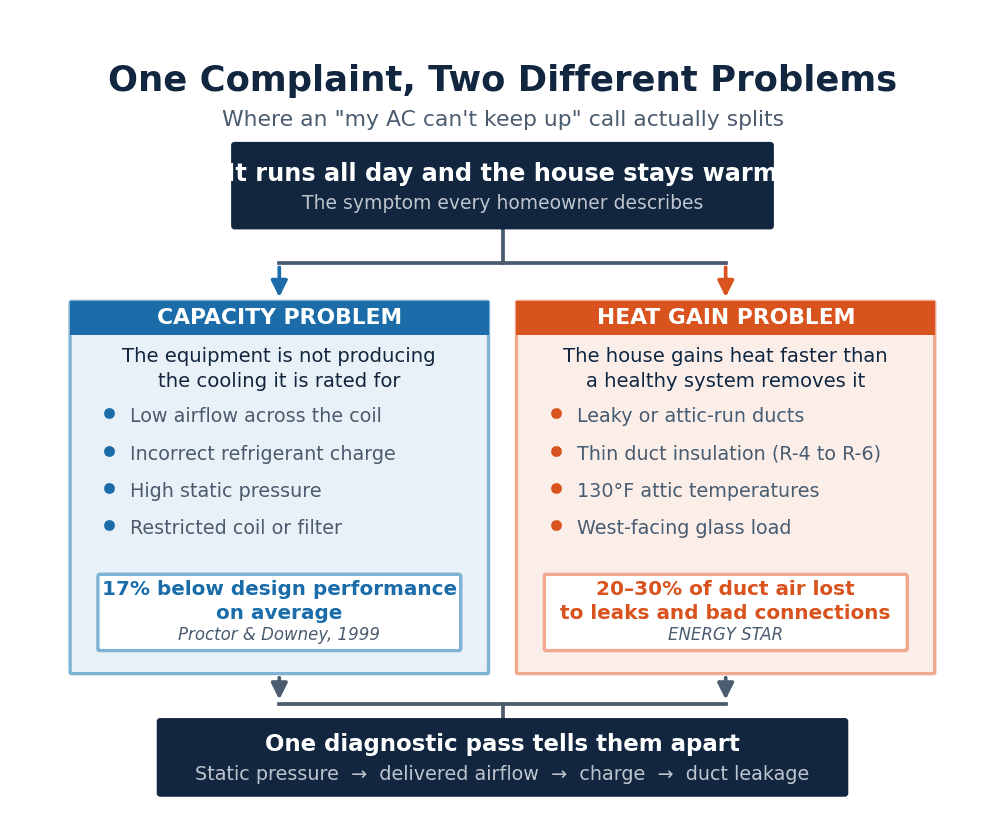
ENERGY STAR reports that 20-30% of air moving through duct systems gets lost due to leaks, holes, and poor connections. That’s nearly a third of the air you’re paying to heat or cool, vanishing into attics, crawl spaces, or wall cavities.

What Actually Causes Duct Leaks?

  • Poorly sealed connections at joints and registers
  • Aging duct tape or mastic that’s dried and cracked
  • Punctures from pests or construction work
  • Disconnected sections that came loose over time

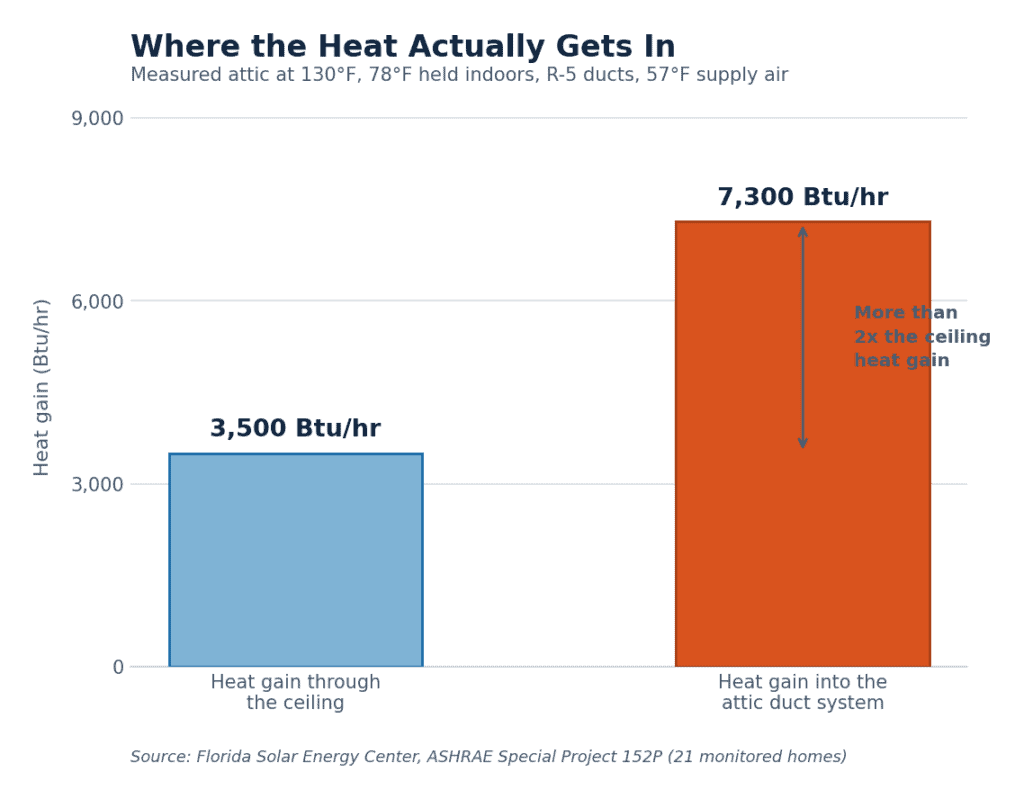
If your ducts run through unconditioned spaces, every leak works against your efficiency. 

Your Home’s Insulation Is Probably Inadequate

Your HVAC system can be in perfect condition, but if your home can’t hold the temperature, you’re fighting a losing battle.

Here’s a sobering fact: a recent analysis using 2024 data found that 89% of U.S. single-family homes are under-insulated compared to modern energy codes. That means almost nine out of ten homes force their heating and cooling systems to work overtime just to maintain comfort.

The EPA estimates that properly sealing and insulating can reduce heating and cooling costs by an average of 15%. But a tune-up doesn’t include an insulation assessment. Your technician focuses on the equipment itself, not the building envelope that determines how hard that equipment has to work.

Where Insulation Problems Hide

Common trouble spots include:

  • Attic spaces where heat rises and escapes in winter or radiates down in summer
  • Basement or crawl space walls that let cold air seep into your home
  • Wall cavities in older homes built before modern efficiency standards
  • Areas around pipes and wiring where insulation was never installed properly

Even if you had insulation installed years ago, it can settle, get compressed, or absorb moisture over time. This reduces its effectiveness, but you won’t see any visual signs of the problem from inside your home.

Your System Might Be the Wrong Size

This one surprises people. How can a system that’s “too big” be a problem?

Oversized HVAC systems short-cycle, turning on and off frequently instead of running steady cycles. This wastes energy in several ways. First, the system uses extra power during each startup. Second, it never runs long enough to properly dehumidify the air in cooling mode. Third, constant cycling wears out components faster.

Studies show that oversized systems can undermine efficiency gains, with penalties increasing in higher-SEER units due to latent heat issues. Essentially, you paid for a high-efficiency system, but improper sizing prevents it from delivering the promised savings.

Undersized systems have the opposite problem. They run constantly, trying to reach a temperature they can never quite achieve. Either way, you’re paying more than you should.

Why Sizing Problems Happen

A proper HVAC installation requires a Manual J load calculation, which factors in:

  • Square footage and ceiling heights
  • Window size, placement, and quality
  • Insulation levels throughout the home
  • Local climate conditions
  • Number of occupants and heat-generating appliances

Many older systems were sized using rough estimates or the “bigger is better” approach. Standard tune-ups check if your existing system operates correctly, but they don’t verify if you have the right system in the first place.

Your Thermostat Could Be Lying to You

You set the thermostat to 72°F, but the actual temperature in your home might be 68°F or 76°F. This calibration drift happens over time, especially with older thermostats.

Common calibration drift can result in temperature discrepancies of 4-5°F, causing your system to run far longer than necessary. If your thermostat thinks it’s 68°F when it’s actually 72°F, your heating system keeps running and running, burning energy to chase a target that’s already been met.

Placement makes this worse. We’ve seen thermostats installed:

  • In direct sunlight from a nearby window
  • Next to exterior doors where drafts hit constantly
  • On walls backing up to uninsulated spaces
  • Near heat-generating appliances or lamps

Any of these locations gives false readings that trigger unnecessary system operation. A tune-up might verify the thermostat turns the system on and off, but precise recalibration or relocation recommendations often get missed.

Your Air Filter Isn’t Lasting as Long as You Think

Yes, the technician changed your filter during the tune-up. But what happens in the months between services?

Restricted airflow from degraded filters forces the system to work harder, potentially increasing energy consumption by 5-15%. How quickly your filter clogs depends on several factors that vary by household:

  • Pets that shed fur and dander
  • Local pollen and dust levels
  • How often you run the system
  • Whether you have smokers in the home
  • Recent construction or remodeling projects

We’ve helped many homeowners who assumed a filter change during their annual tune-up was sufficient. Six months later, the filter is so clogged that the system struggles to pull air through it. The blower motor works overtime, using more electricity to move less air.

The Filter Quality Factor

Not all filters are created equal. Higher MERV-rated filters capture more particles, but they can also restrict airflow if not properly matched to your system. The right filter balances air quality and system performance, but this requires professional guidance based on your specific equipment and home conditions.

Between professional visits, checking and changing filters every 1-3 months typically works better than waiting for the next tune-up. For homes with the factors mentioned above, monthly checks make sense.

Low Refrigerant Is Stealing Your Efficiency

Your air conditioner or heat pump depends on proper refrigerant levels to transfer heat effectively. When the charge is low, the system can’t move heat efficiently, so the compressor runs longer and harder trying to compensate.

Faults like undercharge can contribute to 15-30% energy waste in affected systems. That’s a massive penalty hiding in your system, invisible without proper testing equipment.

Basic tune-ups may check refrigerant pressure, but small leaks can go undetected. A system might have adequate charge during the spring tune-up, but a slow leak drops levels by mid-summer when you need cooling most.

The 2026 Refrigerant Rule Changes

There’s an added complexity now. As of 2026, EPA regulations under the AIM Act restrict high-GWP refrigerants in new installations and certain repairs. If you have an older system with a refrigerant leak, the fix might involve more than just topping off the charge.

We coordinate with the latest EPA regulations to help ensure your system stays compliant and efficient. If refrigerant issues are suspected, consult your service provider for a complete assessment rather than assuming a simple recharge will solve the problem.

What a Standard Tune-Up Actually Covers

Understanding what’s included in typical maintenance helps explain why bills stay high even after service.

Most tune-ups focus on:

  • Cleaning condenser and evaporator coils
  • Checking electrical connections and voltage
  • Replacing the air filter
  • Verifying basic system operation

These steps improve short-term operation and prevent breakdowns, which is valuable. But they don’t address structural issues like duct leaks, insulation gaps, or sizing problems. Those require different diagnostic tools and approaches.

At Quality Heating, Cooling, Plumbing & Electric, we’ve got vast experience helping homeowners understand the difference between maintenance and comprehensive energy assessments. Both have their place, but they serve different purposes.

When to Consider a Deeper Energy Assessment

If your bills remain high despite regular maintenance, it’s usually time for a more thorough evaluation. A comprehensive assessment might include:

  • Infrared camera scans to reveal insulation gaps and air leaks
  • Manual J load calculations to verify proper system sizing
  • Refrigerant charge testing with precise gauges and superheat/subcooling measurements
  • Thermostat calibration and placement review

These diagnostics require specialized equipment and training. The investment can pay off quickly when the results reveal fixable problems that have been driving costs up for years.

The Hidden Cost of Multiple Small Problems

Here’s what makes high energy bills particularly stubborn: these issues compound each other.

Leaky ducts combined with poor insulation means your system works harder to overcome both problems. Add an oversized system that short-cycles, and you’re wasting energy in three different ways simultaneously. Throw in a miscalibrated thermostat, and the problem gets even worse.

Each individual issue might account for 10-20% waste on its own. Together, they can double your energy consumption compared to a properly functioning, well-designed system in a tight, well-insulated home.

This explains why some homeowners see minimal savings after a tune-up. The maintenance addressed one small piece of a much larger puzzle.

Making Better Decisions About Your HVAC Investment

You don’t need to tackle everything at once. But understanding what’s really driving your costs helps you prioritize improvements that deliver actual savings.

Start with a professional energy assessment if bills concern you. The findings will show which problems have the biggest impact in your specific home. From there, you can make informed decisions about:

  • Whether duct sealing would provide significant returns
  • If insulation upgrades should be your first priority
  • Whether your system is incorrectly sized and due for replacement anyway
  • What thermostat improvements might help
  • How often your specific home needs filter changes

With proper preparation and the right information, you can move toward lower energy bills with confidence. We work to ensure homeowners in Tulsa, Broken Arrow, Owasso, Jenks, Bixby, and throughout the surrounding areas have access to accurate information about their home comfort systems.

Ready to Find Your Real Energy Drains?

Energy bills don’t have to stay high forever. The key is identifying what’s actually wrong, not just assuming a tune-up will fix everything.

If you’ve had recent maintenance but haven’t seen the savings you expected, Quality Heating, Cooling, Plumbing & Electric uses professional diagnostic equipment to find the specific issues affecting your home’s efficiency.

Our team serves Bartlesville, Claremore, Sand Springs, Sapulpa, Muskogee, and communities throughout the Tulsa area. With many years of experience in heating, air conditioning, plumbing, and electrical work, we’ve helped thousands of homeowners understand what’s really happening with their systems.

Actions speak louder than words. That’s why we focus on finding real solutions instead of offering generic advice. Contact Quality Heating, Cooling, Plumbing & Electric to schedule an energy assessment and discover what’s keeping your bills high.

Frequently Asked Questions

Can I check my home’s insulation myself?

You can do a basic visual check in accessible areas like attics, but a professional assessment with tools like infrared cameras reveals hidden problems in walls and other spaces. The 89% under-insulation rate shows how common this issue is, but proper evaluation requires measuring R-values and identifying gaps that aren’t visible to the naked eye.

How do I know if my HVAC system is the wrong size?

Watch for signs like short-cycling (frequent on-off operation), uneven temperatures between rooms, high humidity during cooling season, or the system constantly running without reaching the set temperature. Accurate sizing requires a Manual J load calculation by a qualified professional who can factor in your home’s specific characteristics.

Will a smart thermostat solve calibration problems?

Smart thermostats generally have better accuracy than older models, but placement still matters. If your thermostat sits in direct sunlight or near a draft, even smart technology will get false readings. Upgrading can help, but proper placement is equally important for accurate temperature control.

How often should I really change my air filter?

It varies based on your home conditions. Homes with pets, high dust levels, or constant system use need monthly filter checks. Homes without these factors might change filters every 2-3 months. The 5-15% efficiency penalty from clogged filters adds up quickly, so checking more often costs less than the energy waste from a restricted filter.

What’s the current situation with refrigerant regulations?

The EPA’s AIM Act restricts certain high-GWP refrigerants starting in 2026 for new installations and some repair situations. If your system has a refrigerant leak, consult a professional about compliant options. Older systems may have grace periods, but ongoing leaks cause the 15-30% efficiency loss regardless of regulatory status, so addressing leaks makes sense from both a cost and compliance standpoint.

7 Signs You Need a New AC Unit (Before It Fails on You)

Your air conditioner keeps your home comfortable when the heat gets unbearable. But what happens when it starts showing its age? Most homeowners wait until their system completely dies before considering a replacement, and that can mean sweltering through days of discomfort while waiting for repairs or a new installation.

The good news is that your AC usually gives you warning signs before it fails completely. Catching these early signals can save you from emergency replacements, higher energy bills, and the frustration of a broken system during the hottest days of the year.

At Quality Heating, Cooling, Plumbing & Electric, we’ve worked with many homeowners and helped them avoid the stress of emergency AC failures. Here are the seven most reliable signs that your AC unit is on its last legs, backed by current industry data and expert insights.

Your System is Over 10-15 Years Old

Age matters when it comes to air conditioners. The typical central AC unit lasts between 10 and 15 years, according to American Standard’s recent analysis. Once your system crosses that threshold, you’re entering what industry professionals call the “failure zone.”

Think of it like a car hitting 150,000 miles. Sure, it might keep running, but you’re probably spending more on repairs than the vehicle is worth. AC systems work the same way.

Here’s what the data shows: roughly 3 million AC units get replaced across the United States every year. A big chunk of those replacements happen because the systems simply reached the end of their useful life. In areas where AC runs constantly, like the South where 93% of households rely on air conditioning, units often fail closer to the 10-year mark.

Key age-related factors to consider:

  • Systems over 15 years old lose about 30% of their efficiency
  • Replacement becomes more cost-effective than continued repairs
  • Newer models offer significant energy savings compared to older units
  • Modern systems comply with updated environmental regulations

If your system is approaching or past 15 years old, it’s worth having a professional evaluate whether replacement makes more sense than continuing with repairs.

What you should do: Check the manufacture date on your outdoor unit. If it’s been more than a decade, schedule a professional assessment to understand your options. Quality Heating, Cooling, Plumbing & Electric can provide a thorough evaluation of your system’s remaining lifespan.

You’re Using Outdated Refrigerant

This one’s a bigger deal than most people realize. If your AC uses R-22 refrigerant (also called Freon), you’re working with technology that was phased out in 2020. And if you have an R-410A system, the production of R-410A Equipment ended December 31st 2024. However, the refrigerant will continue to be produced until 2036.

The refrigerant situation breaks down like this:

  • R-22 production stopped in 2020; only recycled versions available now
  • R-410A production ends January 1, 2025 for new systems
  • New units must use refrigerants with global warming potential under 700
  • Service costs increase as older refrigerants become scarcer

The EPA’s regulations under the AIM Act now require these eco-friendly alternatives, which are safer for the environment.

Lennox puts it plainly: “Only recycled R-22 is available… Do yourself and the planet a favor and start looking into replacing.” Once production stops, finding refrigerant for older systems becomes expensive and difficult.

Starting January 1, 2025, all new residential AC and heat pump systems must comply with these standards. While you don’t legally have to replace a working older system, servicing it gets trickier and costlier as time goes on. Plus, upgrading may qualify you for rebates and incentives.

What you should do: Look at the label on your outdoor unit or check your installation paperwork to see which refrigerant your system uses. If it’s R-22 or R-410A, consult with Quality Heating, Cooling, Plumbing & Electric about your replacement timeline and available incentives.

Repairs Are Becoming Too Frequent

One repair? That’s normal maintenance. Two repairs in a year? Still acceptable. But if you’re calling for service multiple times each cooling season, your AC is trying to tell you something.

Industry professionals use something called the $5,000 rule to help homeowners decide between repair and replacement. Here’s how it works: multiply your system’s age by the cost of the repair. If that number exceeds $5,000, replacement usually makes more financial sense.

For example, a 12-year-old system needing a $500 repair equals $6,000 using this formula. That suggests you should consider a new unit instead of pouring more money into the old one.

Signs repairs are becoming too frequent:

  • Calling for service more than once per cooling season
  • Annual repair costs exceeding several hundred dollars
  • Same components failing repeatedly
  • System efficiency dropping despite repairs
  • Technicians recommending replacement over fixes

The statistics back this up. Studies show that improperly maintained or failing systems can lose 30% of their efficiency.

We’ve helped many businesses and homes avoid this cycle by catching issues early. But when repairs start stacking up, it’s often more cost-effective to invest in a new system with better efficiency and reliability.

What you should do: Keep track of your repair history. If you’re calling for service more than once a season, or if repair costs are climbing, reach out to a professional for an honest assessment about whether replacement makes sense.

Strange Noises Coming From Your Unit

Air conditioners should run relatively quietly. A gentle hum is normal. Grinding, rattling, screeching, or clicking sounds are not.

These noises typically point to mechanical problems:

  • Grinding sounds indicate motor bearings wearing out
  • Rattling noises suggest loose components or debris in the unit
  • Screeching often signals a belt issue (in older models)
  • Clicking can point to electrical problems or failing relays

These aren’t sounds you should ignore or hope will go away on their own.

If your AC suddenly starts sounding like a washing machine full of rocks, turn it off and call a professional right away. Running a system with mechanical issues can cause additional damage to other components.

What you should do: Pay attention to any new or unusual sounds from your system. When you hear something concerning, turn the unit off and contact a qualified HVAC technician. Don’t wait for it to get worse.

Uneven Cooling or Weak Airflow

Walk through your home on a hot day. Does one room feel like a sauna while another is comfortable? Is the air coming from your vents barely noticeable? These are red flags.

Common cooling and airflow problems include:

  • Hot and cold spots throughout your home
  • Weak air pressure from vents
  • Some rooms never reaching desired temperature
  • System running constantly without cooling effectively
  • Reduced comfort in rooms farthest from the unit

Uneven cooling happens for several reasons. Aging components like blowers and compressors lose their ability to push air effectively. Clogged coils reduce the system’s ability to cool air properly. Ductwork problems can develop over time, creating hot spots throughout your home.

In regions like the Midwest and South, where 92-93% of households depend on air conditioning, these comfort issues become more than an annoyance. They affect your quality of life.

Weak airflow is frequently caused by clogged filters, which is the number one AC problem and can drop your system’s output by 30%. But if you’re changing filters regularly and still experiencing weak airflow, the issue likely lies with the blower motor or other internal components.

What you should do: If you notice consistent temperature differences between rooms or weak airflow that doesn’t improve with a new filter, schedule a professional inspection with Quality Heating, Cooling, Plumbing & Electric. A thorough diagnostic can identify whether the problem is fixable or if it’s time for air conditioning installation in Tulsa.

Your Energy Bills Keep Climbing

Look at your electricity bills from the past few summers. Are they creeping up even though you haven’t changed how you use your AC? That’s your system telling you it’s working harder to deliver the same cooling.

What rising energy costs reveal:

  • Air conditioning accounts for 12-27% of monthly power bills
  • Aging AC units can increase cooling costs by 10-30%
  • Average U.S. households spend about $2,000 annually on energy
  • HVAC systems represent roughly 50% of total home energy use
  • Modern ENERGY STAR systems save $300-500 per year

When your system loses efficiency, that percentage climbs.

If your system is below 14 SEER (Seasonal Energy Efficiency Ratio), you’re likely paying far more than necessary. Over the typical 15-20 year lifespan of a new system, upgrading to an efficient model can result in substantial savings.

The new 2025 efficiency standards require minimum SEER2 ratings of 13.4-15 depending on your region. These updated standards promote energy savings of up to 30% compared to older models. If your current system is significantly below these benchmarks, a replacement could pay for itself through reduced energy bills.

What you should do: Compare your current summer bills to previous years. If costs are rising without a corresponding increase in utility rates or usage, request an energy audit from Quality Heating, Cooling, Plumbing & Electric to determine if your AC is the culprit.

Refrigerant Leaks or Frozen Coils

You walk past your indoor unit and notice ice forming on the coils. Or a technician mentions during a service call that your refrigerant is low. Both scenarios are serious problems that often indicate your system is on borrowed time.

Warning signs of refrigerant problems:

  • Ice or frost on evaporator coils
  • System running but not cooling effectively
  • Hissing or bubbling sounds near refrigerant lines
  • Refrigerant levels consistently dropping
  • Oily residue around AC components

A frozen evaporator coil typically indicates a refrigerant leak. Refrigerant doesn’t just disappear; if levels are low, there’s a leak somewhere in the system.

Here’s why this matters for replacement decisions: refrigerant leaks in older systems often mean the coils themselves are corroding. While a technician can recharge the refrigerant temporarily, if the underlying leak isn’t fixed, you’ll face the same problem again soon. And with the new 2025 regulations mandating eco-friendly alternatives, recharging older systems becomes increasingly impractical.

The HVAC industry is currently facing a shortage of about 110,000 trained technicians, which can delay both repairs and installations. This makes catching problems early even more important.

Refrigerant issues also pose safety and environmental concerns. The phase-out of high global warming potential refrigerants is designed to reduce harmful emissions. If your system has recurring refrigerant problems, upgrading to a new unit with modern, environmentally responsible refrigerants makes sense both practically and ethically.

What you should do: Never ignore ice on your AC components or low refrigerant warnings. Contact a licensed professional immediately for evaluation. They can determine whether a repair is viable or if replacement is the better long-term solution.

Understanding Your Options for AC Replacement

When multiple warning signs appear together, replacement becomes the smart choice. But what does that process actually look like in 2025?

Modern AC system benefits:

  • Smart, connected technology enables predictive maintenance
  • Early detection of issues like leaks reduces unexpected breakdowns by up to 20%
  • A2L refrigerants (R-454B, R-32) with built-in safety features
  • Up to 30% better efficiency than older models

The current HVAC market offers more options than ever before.

The technology transitions mandated by the EPA mean new systems use A2L refrigerants like R-454B and R-32. While these are mildly flammable, they include built-in detection features that make them safe for residential use. The environmental benefits are substantial, with the EPA aiming for an 85% reduction in HFC use by 2036.

Installation quality matters tremendously:

  • Proper installation ensures optimal efficiency
  • Incorrect setup reduces system efficiency by 30%
  • Professional installation protects manufacturer warranties
  • Expert technicians understand current regulations
  • Quality work prevents future problems and callbacks

This is why working with experienced professionals who understand both the technical and regulatory landscape is crucial. At Quality Heating, Cooling, Plumbing & Electric, we stay current on all efficiency standards, refrigerant regulations, and installation best practices.

Making the Decision That’s Right for Your Home

Replacing an AC system is a significant investment, so it’s natural to want to squeeze every last year out of your current unit. But there’s a point where holding on becomes more expensive than upgrading.

When replacement makes financial sense:

  • Experiencing three or more warning signs simultaneously
  • System age exceeds 15 years
  • Repair costs approaching or exceeding new system value
  • Energy bills increasing despite consistent usage
  • Refrigerant type becoming obsolete or expensive

If you’re experiencing one or two of these warning signs, a repair might still make sense. But when you see multiple indicators, the math usually favors replacement.

Consider this: homeowners are increasingly upgrading to more efficient, reliable systems. That growth reflects a recognition that older technology simply can’t compete with modern efficiency and environmental standards.

The good news is that rebates and incentives are available for qualifying replacements, especially if you’re upgrading from an outdated refrigerant system to a compliant 2025 model. These programs can significantly offset the upfront cost.

Don’t wait until your system fails completely during a heat wave. That’s when you have the least flexibility in choosing a replacement and often pay premium prices for emergency service. By planning ahead when you notice these warning signs, you maintain control over the process and timeline.

Quality Heating, Cooling, Plumbing & Electric has helped several homeowners make this transition. The pattern is consistent: those who act proactively based on warning signs end up happier and spend less overall than those who wait for catastrophic failure.

Frequently Asked Questions

How do I know if my AC unit is failing?

Watch for poor cooling performance, rising energy bills, and frequent repair needs. Systems over 15 years old typically lose about 30% of their efficiency. If you’re experiencing multiple issues simultaneously, consult Quality Heating, Cooling, Plumbing & Electric for an assessment.

What are the costs of ignoring AC problems?

Delaying necessary repairs usually leads to more expensive problems down the line. When frequent repairs start exceeding the value of a new system (use the $5,000 rule as a guide), you’re better off replacing the unit. Reach out to an expert for a cost-benefit analysis specific to your situation.

Is my old refrigerant still legal to use?

R-22 was phased out in 2020, and R-410A production ends in 2025. While you can still operate systems with these refrigerants, servicing them becomes harder and more expensive as supplies dwindle. Recycled refrigerant is available, but upgrading to newer, eco-friendly alternatives that comply with current regulations is recommended.

When should I replace my AC instead of repairing it?

Generally, when your system is over 10-15 years old and facing significant repairs, replacement makes more sense. Use the $5,000 rule: if your system’s age multiplied by the repair cost exceeds $5,000, consider replacement. Also factor in efficiency, refrigerant type, and whether you’re dealing with recurring problems.

What refrigerants will new AC systems use in 2025?

Starting January 1, 2025, new residential systems must use refrigerants with global warming potential below 700. These A2L refrigerants are environmentally responsible and include safety features for residential use.

How much can I save with a new energy-efficient AC unit?

Homeowners with ENERGY STAR certified systems typically save $300-500 annually on cooling costs. Over a system’s 15-20 year lifespan, that translates to $4,500-$10,000 in savings. The exact amount depends on your current system’s efficiency, home size, and local energy rates.

Are there rebates available for AC replacement?

Yes, many utilities and government programs offer rebates for upgrading to high-efficiency systems, especially when replacing units that use outdated refrigerants. These incentives can significantly reduce your upfront costs. Contact Quality Heating, Cooling, Plumbing & Electric to identify available programs in your area.

Ready to Assess Your AC System?

You don’t have to wait until your air conditioner fails to take action. If you’re seeing any of these seven warning signs, now is the time for a professional evaluation.

At Quality Heating, Cooling, Plumbing & Electric, we provide honest assessments and clear guidance on your options. We’ll help you understand your system’s condition, explain your choices, and ensure any work is done right the first time.

Our team stays current on efficiency standards, refrigerant regulations, and the latest HVAC technology so we can guide you toward solutions that make sense for your home and budget. We’re not here to sell you something you don’t need. We’re here to protect your comfort and help you make informed decisions.

Contact Quality Heating, Cooling, Plumbing & Electric today to schedule a comprehensive AC system evaluation. Let’s make sure your cooling system is ready to keep you comfortable when you need it most.

How Often Should You Schedule HVAC Maintenance for Maximum Home Comfort?

How Often Should You Schedule HVAC Maintenance for Maximum Home Comfort?

Your home’s heating and cooling system works around the clock to keep your family comfortable. But when was the last time you gave it the professional attention it deserves?

Here’s what we see daily: Homeowners call us in panic when their AC fails during a scorching summer day or their heater quits on the coldest night of winter. These emergency situations could often be prevented with proper maintenance scheduling. But, if these are not prevented then you would eventually need AC repair service in Owasso, OK.

At Quality Heating, Cooling, Plumbing & Electric, we’ve helped many families maintain their systems. Through our plumbing company in Tulsa, OK experience, we’ve learned that twice-yearly professional maintenance is essential for every HVAC system, regardless of age. This schedule saves you money, prevents breakdowns, and keeps your home comfortable year-round.

The Professional Standard: Why Twice Yearly Is Non-Negotiable

We recommend professional HVAC maintenance twice per year for every system – once in spring for your cooling system and once in fall for your heating components. This isn’t just industry best practice; it’s what your system needs to perform reliably.

This biannual approach aligns with seasonal demands and helps catch issues before they become expensive problems, whether your system is brand new or has been serving your family for decades.

When we service systems that follow this schedule, we consistently see:

  • Fewer emergency repair calls
  • Lower energy bills
  • Systems that last years longer than those with less frequent service
  • Optimal performance regardless of system age

For quality hvac service in Tulsa and throughout the USA, this twice-yearly timing works perfectly because it prepares your system for peak usage periods.

What Influences Your Maintenance Schedule?

While we recommend biannual maintenance for all systems, certain conditions may require additional professional attention:

Environmental Challenges

  • High dust areas: If you live in a dusty region or near construction, your system works harder to filter air
  • Extreme climates: Homes in very hot or cold regions put additional strain on their systems
  • High humidity: Coastal areas or humid climates create extra challenges for cooling systems

Heavy Usage Patterns Homes with constant system use, large families, or pets may benefit from quarterly filter changes and additional check-ups between our standard biannual services.

System-Specific Considerations Even newer systems with smart technology need our full twice-yearly service to maintain warranty compliance and optimal performance. Older systems already receive the attention they need with our standard biannual approach.

New 2025 Regulations That Affect Your Maintenance

Starting January 1, 2025, the EPA implemented new refrigerant regulations that directly impact how we maintain cooling systems. New residential air conditioners and heat pumps must use lower global warming potential refrigerants like A2L types (R-454B or R-32), replacing R-410A in newly manufactured systems.

What this means for your maintenance schedule:

  • Systems installed after January 2025 may require specialized handling during service
  • If you’re planning a system replacement, maintenance becomes even more critical to maximize your current system’s life
  • Professional technicians now need specific training for these new refrigerants

If you have an older system, you can continue repairs with existing refrigerants, but professional maintenance helps ensure compliance during any major work.

The Real Benefits of Consistent Maintenance

Energy savings alone often justify the maintenance cost. According to Energy.gov, well-maintained systems can reduce energy usage by up to 20%. For the average American household spending $2,000+ annually on energy, that’s potentially $400 in savings.

But the benefits go deeper:

Improved Air Quality

Regular maintenance includes cleaning components that directly affect your indoor air quality. Clean filters and coils mean cleaner air for your family.

Fewer Emergency Repairs

As our professionals note: “Regular HVAC maintenance is a smart investment in longevity, energy efficiency, and reliability.” We see this proven repeatedly with our maintenance customers experiencing far fewer emergency calls.

Extended Equipment Life

Think of it like car maintenance. As one of our technicians explains: “Just as you would not drive your car without ever changing the oil, you should not be constantly operating your HVAC system without maintenance.”

Smart Technology Is Changing Maintenance Scheduling

The future of maintenance is becoming predictive rather than reactive. Smart HVAC systems with IoT integration can now alert both homeowners and professionals to potential issues before they cause problems.

These systems might indicate when maintenance is needed based on:

  • Actual runtime hours
  • Performance efficiency changes
  • Filter condition sensors
  • Component wear indicators

While this technology is promising, it doesn’t replace professional maintenance but rather helps optimize timing.

Commercial vs. Residential: Why Business Standards Matter

Commercial buildings typically follow biannual maintenance schedules because downtime costs businesses money. We apply similar thinking to residential service because your family’s comfort matters just as much.

For businesses, standard practice includes:

  • Spring preparation for cooling season
  • Fall preparation for heating season
  • More frequent filter changes
  • Detailed documentation for warranty purposes

How to Choose Your Maintenance Schedule

Our Standard Service Schedule: Every system receives biannual maintenance:

  • Spring Service: Comprehensive cooling system preparation
  • Fall Service: Complete heating system inspection and tune-up

Enhanced Service Options: Consider quarterly visits if:

  • You have health concerns requiring excellent air quality
  • Your system operates in challenging conditions (dusty, humid, extreme temperatures)
  • You run a home business depending on consistent climate control
  • You prefer maximum system optimization

Why We Don’t Recommend Annual-Only Service: While some companies offer annual maintenance, our experience shows that systems serviced only once per year experience more breakdowns, higher energy costs, and shorter lifespans. Your investment in biannual care pays for itself through reliability and efficiency.

Ready to Protect Your Home’s Comfort?

Ready to give your system the professional care it deserves? Don’t wait for an emergency to think about maintenance.

At Quality Heating, Cooling, Plumbing & Electric, our biannual maintenance program has helped many families avoid costly breakdowns while enjoying lower energy bills and superior home comfort.

Schedule your next maintenance visit today and join our customers who trust us for reliable, twice-yearly system care. Your family’s comfort is worth the professional standard.

Frequently Asked Questions

Q: Why do you recommend twice-yearly maintenance for all systems when some companies suggest annual service is enough for newer systems? A: Our experience servicing numerous systems shows that all HVAC equipment benefits from biannual attention, regardless of age. Seasonal demands, indoor air quality factors, and component wear occur in both new and older systems. Annual service simply isn’t frequent enough to catch issues before they become problems.

Q: Is twice-yearly maintenance really cost-effective for a newer system? A: Absolutely. Even new systems accumulate dust, experience normal wear, and need seasonal adjustments. The energy savings from biannual maintenance (up to 20% reduction in usage) typically offset the service cost, while preventing warranty issues and extending system life from day one.

Q: What’s included in your biannual maintenance that makes it different from annual service? A: Our spring and fall services address different seasonal needs. Spring service focuses on cooling components, refrigerant levels, and preparation for summer demands. Fall service emphasizes heating elements, ventilation, and winter readiness. This targeted approach catches issues that annual service might miss.


Why Your AC Keeps Turning On and Off Every Few Minutes (And How to Stop the Energy Waste)

Picture this: You’re relaxing at home when you notice your air conditioner starting up, running for just a few minutes, then shutting off again. Five minutes later, it kicks back on. This frustrating cycle repeats all day long.

You’re experiencing what we call “short cycling,” and it’s costing you money while wearing out your AC system faster than it should. Short cycling happens when your air conditioner turns on and off in rapid bursts instead of running steady 15-20 minute cycles like it’s designed to do.

The good news? Many cases have simple fixes you can handle yourself. However, some require professional attention to prevent costly damage. At Quality Heating, Cooling, Plumbing & Electric, our plumbing contractors in Tulsa, OK, have seen this issue several times, especially in systems that haven’t received proper maintenance.

Let’s dig into what causes this problem and show you exactly how to fix it.

What Exactly Is AC Short Cycling?

Short cycling occurs when your HVAC system turns on and off in quick, frequent cycles instead of running for longer, more efficient periods. According to Carrier Residential (a renown HVAC manufacturer), normal cooling cycles should last 15-20 minutes on hot days. Short cycling typically involves cycles lasting less than 10 minutes.

Here’s what makes this different from normal operation:

  • Normal cycle: AC runs 15-20 minutes, reaches desired temperature, shuts off for 15-30 minutes
  • Short cycling: AC runs 5-10 minutes, shuts off, immediately restarts within a few minutes

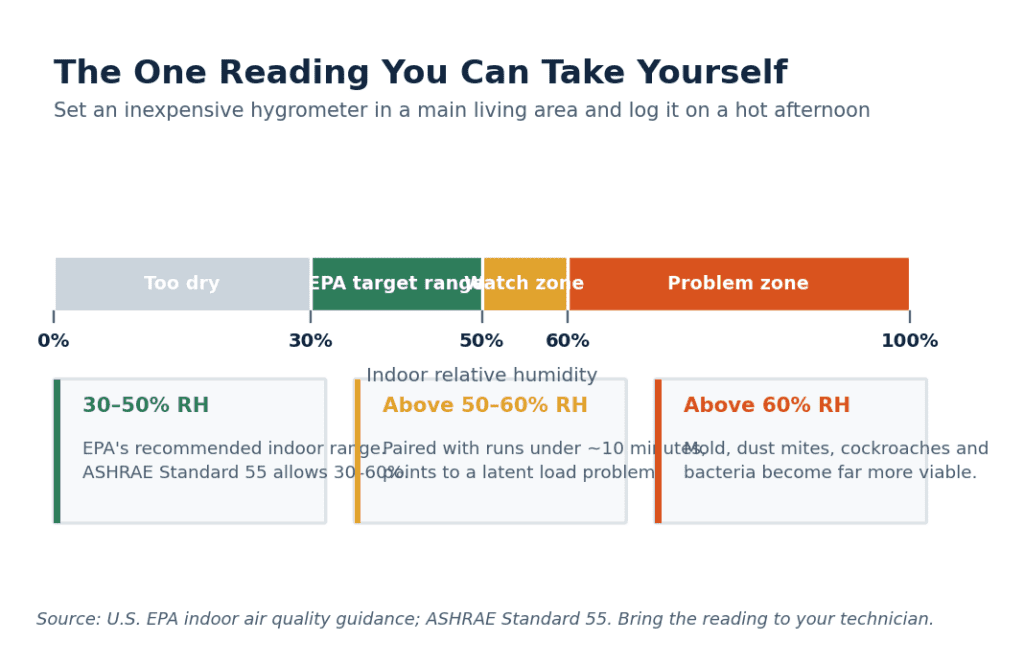
This pattern prevents your system from properly dehumidifying your home and forces it to work much harder than necessary.

Normal vs. Short Cycling: 2-Hour Operation Comparison

Normal AC Operation Pattern:

Time:    12:00  12:20  12:40  1:00   1:20   1:40   2:00

Status:  [ON—OFF—–ON—OFF—–ON—OFF—–]

Cycles:     20 min run, 20 min off, 20 min run, 20 min off

Result:  4 total cycles, efficient cooling and dehumidification

Short Cycling Pattern:

Time:    12:00  12:10  12:20  12:30  12:40  12:50  1:00   1:10   1:20   1:30   1:40   1:50   2:00

Status:  [ON-OFF-ON-OFF-ON-OFF-ON-OFF-ON-OFF-ON-OFF-ON-OFF-ON-OFF-ON-OFF-ON-OFF-ON-OFF-ON-OFF]

Cycles:     7 min run, 3 min off, repeating pattern

Result:  12+ cycles, poor efficiency, inadequate dehumidification

Key Differences:

  • Normal: 4 cycles in 2 hours, 20-minute runs
  • Short cycling: 12+ cycles in 2 hours, 7-minute runs
  • Energy waste: 3x more startups = significantly higher power consumption

Recent discussions on HVAC forums show homeowners across the U.S. reporting increased short cycling issues, particularly during the extreme heat waves of 2025. The problem has become so common that HVAC companies in Tulsa and nationwide are seeing it as one of their top summer service calls.

The Real Causes Behind Your AC Turning On and Off

Understanding the root cause is crucial for choosing the right fix. Based on 2025 industry data from major manufacturers like Carrier, Trane, and Lennox, here are the main issues:

Dirty or Clogged Air Filters (Most Common)

This accounts for up to 50% of short cycling cases. A dirty filter restricts airflow, causing the system to overheat and shut down prematurely, explains Lennox in their August 2025 homeowner guide.

When airflow drops, your evaporator coil can’t absorb heat properly. The system overheats, triggers safety shutoffs, then restarts once it cools down slightly.

Low Refrigerant Levels

Lennox reports that leaks in R-410A systems cause 30% of short cycling issues. When refrigerant runs low, pressure switches detect the problem and shut down the system to prevent damage.

This issue has become more complex in 2025 due to new EPA regulations requiring different refrigerants in new systems. If you have an older system with leaks, this transition could affect repair options.

Oversized AC Unit

An oversized unit cools your space too quickly without proper dehumidification. Trane’s 2025 analysis shows this leads to 25% more energy use because the system constantly starts and stops.

Many homeowners assume bigger is better, but an oversized AC creates comfort problems and wastes energy.

Faulty Thermostat Placement or Operation

Thermostats placed near heat sources, vents, or in direct sunlight give false readings. This causes your system to think it’s reached the target temperature when it hasn’t, leading to premature shutoffs.

Frozen Evaporator Coils

Most HVAC contractors have reported that frozen coils cause 20% of summer service calls. This typically results from restricted airflow or low refrigerant, creating a cycle where ice blocks heat transfer.

Electrical Problems

Bad capacitors or contactors account for about 90% of electrical AC issues according to technician reports on social platforms. These components help start your system, and when they fail, erratic cycling follows.

AC Short Cycling Causes: Quick Diagnostic Guide

Cause How Common What You’ll Notice Quick Check
Dirty Air Filter 50% of cases Weak airflow from vents, dusty filter Look at filter – gray/brown = replace
Low Refrigerant 30% of cases Ice on coils, hissing sounds, poor cooling Check for ice or oily spots near unit
Oversized System 25% of cases Rapid cooling then immediate restart, humidity issues House cools too fast, feels muggy
Bad Thermostat 20% of cases Erratic temperature readings, cycling in mild weather Check placement near heat sources
Frozen Coils 20% of cases Visible ice, no cold air, water pooling Look for ice on indoor coil
Electrical Issues 15% of cases Burning smell, sparking sounds, random shutoffs Never DIY – call professional immediately

Note: Percentages don’t total 100% as systems can have multiple simultaneous issues.

Quick Fixes You Can Try at Home

Start with these simple solutions before calling for professional help:

Step 1: Replace Your Air Filter

Check your filter monthly and replace it every 1-3 months. Use MERV 8-13 rated filters for best results without restricting airflow too much.

Most professionals confirm this simple step resolves about 40% of short cycling cases.

Signs you need a new filter:

  • Visible dirt buildup
  • Gray or brown coloration
  • Reduced airflow from vents

Step 2: Check Your Thermostat Location and Settings

Ensure your thermostat isn’t placed near:

  • Air conditioning vents
  • Direct sunlight
  • Heat-producing appliances
  • Exterior doors

If it’s in a bad location, consider relocating it or shielding it from heat sources.

Step 3: Clear Around Your Outdoor Unit

Remove debris, leaves, and vegetation within 3 feet of your condenser unit. Restricted airflow around the outdoor unit forces your system to work harder.

Step 4: Thaw Frozen Coils (If Present)

If you notice ice on your indoor coils:

  1. Turn off your AC immediately
  2. Switch your thermostat to “fan only” mode
  3. Wait 24 hours for complete thawing
  4. Check for airflow restrictions before restarting

And this method works for temporary freezing, but recurring ice indicates deeper problems.

Remember: These DIY fixes work for basic issues. If problems persist after trying these steps, it’s time to call professionals to avoid damage or safety risks.

When Short Cycling Becomes an Emergency

Some situations require immediate professional attention:

  • Electrical burning smells
  • Repeated circuit breaker trips
  • Ice formation that returns after thawing
  • Strange noises during cycling
  • Complete system failure to start

Quality Heating, Cooling, Plumbing & Electric recommends never attempting electrical repairs yourself. High-voltage components can cause serious injury or in other extreme cases death.

The Hidden Costs of Ignoring Short Cycling

Short cycling doesn’t just annoy you – it drains your wallet and brings discomfort in multiple ways:

Energy Bill Increases

Frequent startups spike power consumption by 20% – 50%. Your AC uses the most electricity when starting up, so constant cycling dramatically increases usage. It’s known that turning AC systems on and off repeatedly consumes more energy than steady operation.

Reduced Equipment Lifespan

Compressors fail 20% – 30% sooner when subjected to constant short cycling, based on technician reports and Reddit discussions from 2023-2025. Each startup stresses components that are designed for longer, steady operation.

Comfort Problems

Short cycling prevents proper dehumidification, leaving your home feeling sticky even at the right temperature. You end up lowering the thermostat further, creating even more energy waste.

Potential Warranty Issues

Many manufacturers void warranties for systems that fail due to neglected maintenance or ignored operational problems.

Professional Solutions for Persistent Problems

When DIY fixes don’t solve the problem, professional diagnosis becomes essential:

Refrigerant System Repairs

Only EPA-certified technicians can legally handle refrigerant under 2025 regulations. At Quality Heating, Cooling, Plumbing & Electric we’ll:

  • Locate and repair leaks
  • Test system pressures
  • Recharge with proper refrigerant type
  • Ensure compliance with new environmental standards

Electrical Component Replacement

Capacitors, contactors, and control boards require professional replacement. These high-voltage components are dangerous for untrained individuals to handle.

System Sizing Analysis

Professional load calculations determine if your AC is properly sized for your home. Oversized systems need replacement or modification to operate efficiently.

Thermostat Upgrades

Smart thermostats with advanced sensors can prevent many short cycling issues by providing more accurate temperature readings and learning your home’s patterns.

The 2025 Refrigerant Changes and Your AC

New EPA regulations significantly impact how we handle AC repairs in Sapulpa, OK in 2025. The phase-out of high-GWP (Global Warming Potential) refrigerants like R-410A means:

  • New systems use R-454B or R-32 refrigerants
  • Older systems may face repair limitations
  • Leak repairs become more complex and costly

If your system is over 10 years old and experiencing frequent short cycling due to refrigerant issues, replacement might be more cost-effective than repair.


Prevention: Your Best Defense Against Short Cycling

Annual professional maintenance prevents about 70% of short cycling issues.

Essential Maintenance Tasks

Monthly homeowner tasks:

  • Check and replace air filters
  • Clear debris from outdoor unit
  • Monitor thermostat operation
  • Listen for unusual noises

Annual professional services:

  • Complete electrical inspection
  • Refrigerant level testing
  • Coil cleaning and inspection
  • Calibration of controls
  • Safety system testing

Quality Heating, Cooling, Plumbing & Electric’s maintenance programs catch problems before they cause short cycling, saving you money and extending equipment life.

Stop the Cycle – Take Action Today

Short cycling doesn’t have to drain your energy bills or shorten your AC’s life. Start with simple filter changes and basic maintenance, but don’t hesitate to call professionals when problems persist.

The cost of ignoring short cycling far exceeds the investment in proper repairs. With 2025’s extreme weather patterns and new refrigerant regulations, having a properly functioning AC system is more important than ever.

Ready to end your AC’s erratic behavior? Contact Quality Heating, Cooling, Plumbing & Electric for expert diagnosis and lasting solutions. Our 30+ years of experience means we’ve seen and solved many short cycling problems.

Don’t let another day of inefficient cooling cost you money. Take action now to restore your comfort and protect your investment.

Frequently Asked Questions

Why does my AC turn on and off every few minutes in hot weather?

Hot weather can worsen existing problems like dirty filters or low refrigerant. Your system works harder in extreme heat, making any efficiency issue more noticeable. Check your filter first, then call an Owasso AC repair professional if the problem persists.

Can I fix AC short cycling without calling a technician?

Basic issues like dirty filters, blocked vents, or thermostat problems often respond to DIY fixes. However, refrigerant leaks, electrical problems, or recurring issues require professional attention for safety and warranty protection.

How much more does short cycling cost on my energy bill?

Studies show short cycling can increase energy consumption by 20-50% due to frequent startup power spikes. For an average home spending $150 monthly on cooling, this could mean $30-75 in additional costs.

Is short cycling covered under my AC warranty?

Most warranties cover component failures but exclude damage from neglected maintenance. If short cycling results from dirty filters or lack of service, repairs might not be covered. Regular professional maintenance helps protect warranty coverage.

What’s the difference between short cycling and normal AC operation?

Normal cycles last 15-20 minutes with 15-30 minute breaks between cycles. Short cycling involves cycles under 10 minutes with immediate or very brief stops between runs. The constant on-off pattern is the key indicator.

Should I replace my AC if it keeps short cycling?

Replacement depends on the cause and your system’s age. Simple fixes like filter changes or thermostat repairs are cost-effective. However, if you have an oversized system, major refrigerant leaks, or multiple failing components in an older unit, replacement often makes more financial sense than ongoing repairs.

Ten Tips to Lower Your Electric Bill in Claremore, Oklahoma

Oklahoma’s blazing summers and often freezing winters lead to some sizable swings in our monthly electric bills. Quality Heating, Cooling, Plumbing & Electric is the local leader in expert electrical services in Claremore, Oklahoma, and we’d like to share some simple energy-saving tips to lower electric bills.

1. Install and Program a Smart Thermostat for Better Efficiency

Want a simple upgrade that can save real money? A smart thermostat learns your habits and adjusts temperatures automatically based on your schedule. Set your cooling to a comfortable temperature when you’re home and raise it while you’re away. In winter, drop the heat while you sleep.

Many local utility providers offer rebates for installing a smart thermostat; be sure to check with PSO or OG&E for available discounts.

2. Schedule Appliance Use Outside of Peak Usage Hours

Utility companies often charge more during peak usage hours, typically from 2 to 7 p.m. in summer. By running your dishwasher or laundry machines in the early morning or late evening, you’ll avoid inflated rates and ease pressure on the grid.

Use the delay-start feature on appliances or pre-cool your home just before peak times. 

3. Switch to LED Lighting in High-Traffic Areas

LED lighting consumes up to 80% less energy than traditional incandescent bulbs and lasts far longer. Focus first on the kitchen, bathrooms, and outdoor fixtures that see heavy usage.

You’ll start seeing lower bills almost immediately, especially during winter, when lights stay on longer during shorter daylight hours.

4. Improve Your Home Insulation for Year-Round Savings

Drafty homes soak up energy all year long. One of the best tips to lower electric bills is investing in improved home insulation, particularly in the attic and around windows. In Claremore’s hot summers, proper insulation makes your AC work less. In winter, it prevents heat from escaping.

Add weatherstripping, seal gaps, and consider an insulation upgrade to maximize comfort and reduce energy costs.

5. Upgrade Outdated Appliances to Energy-Efficient Models

Older refrigerators, washers, and dryers can use significantly more electricity than newer models. If your appliances are more than 10 years old, consider appliance upgrades that carry the ENERGY STAR® label. Modern designs prioritize energy efficiency, which can significantly reduce operating costs. Also, check for rebates on qualified appliance upgrades.

6. Don’t Overlook Regular HVAC Maintenance

Your HVAC system does heavy lifting during Claremore’s weather extremes. A yearly tune-up by your local HVAC company will ensure everything runs efficiently and won’t consume more power than necessary. Replace air filters every 30 to 90 days and keep your vents and returns clean and unobstructed.

Proper maintenance can extend the life of your unit and help you lower your energy bills over time.

7. Use Ceiling Fans to Supplement Your Cooling and Heating

Ceiling fans are at the heart of one of the best tips to lower electric bills through better HVAC system efficiency. In hot weather, set your fans to spin counterclockwise to push cool air down. 

In winter, reverse the direction to redistribute warm air downward. This simple habit allows you to adjust your thermostat a few degrees without sacrificing comfort.

8. Eliminate Phantom Loads From Electronics

Even when turned off, electronics like game consoles, TVs, and chargers draw power. Electricians refer to these as phantom loads. Plugging electronics into smart power strips lets you shut off multiple devices at once, cutting unnecessary electricity usage. In fact, in a tech-savvy home, this can trim up to 10% off your monthly bill.

9. Take Advantage of Local Utility Rebates and Programs

Claremore residents can benefit from a wide range of incentives offered by utility companies. OG&E’s SmartHours program and PSO’s efficiency rebates cover everything from smart thermostat installation to LED lighting and insulation upgrades.

Visit their websites to check your eligibility and apply. It’s a great way to subsidize your energy-saving investments.

10. Get a Professional Home Energy Audit for Custom Solutions

Still unsure where to begin? A professional home energy audit can pinpoint leaks, inefficiencies, and outdated equipment in your Claremore home. With accurate information, you’ll know exactly which improvements will deliver the biggest return on investment.

Why Claremore Residents Trust Quality Heating, Cooling, Plumbing & Electric

Quality Heating, Cooling, Plumbing & Electric is more than just another service provider; we’re part of the Claremore community. Now that we’ve discussed these tips to lower electric bills, check out our post on saving money on winter heating bills

Oklahoma’s wide variety of weather requires smart energy choices, and we’re here to help you make them. Contact Quality Heating, Cooling, Plumbing & Electric today and let’s discuss personalized recommendations for your home and family’s needs.

Eight Ways To Lower Your AC Bill This Summer in Sand Springs, OK

Summer temperatures can be challenging to manage in northeastern Oklahoma, making the reliability and energy efficiency of your air conditioner crucial. Figuring out how to keep an AC bill low in summer requires following a few steps.

Our professionals providing HVAC services in Sand Springs, OK, have put together several steps you can follow to reduce the cost of operating your air conditioner.

1. Use a Programmable Thermostat

A programmable thermostat enables you to adjust the temperature of your unit, even when you’re not home. You can use the smart thermostat to automatically increase the temperature setting during peak usage hours for electricity in the Sand Springs, OK, area, as power costs are typically higher during these times.

2. Increase the Thermostat Setting

One of the best options for how to keep an AC bill low in summer is one that you might not want to hear – increasing the temperature setting on the thermostat. Summer temperatures in Sand Springs, OK, routinely reach the mid-90s and higher. It’s tough to convince yourself to turn up the thermostat when the summer heat is at its worst.

However, if you can withstand some discomfort, running the air conditioner less often is the best way to reduce operational costs.

3. Install and Operate Ceiling Fans To Reduce Your AC Bill

Running ceiling fans throughout the home encourages air circulation. You’ll feel cooler while sitting on the couch due to the air movement, which means you might not have to run the air conditioner as often.

4. Close the Blinds and Curtains To Block Heat From the Sun in Sand Springs, OK

Sunlight moving through your south-facing windows in summer can quickly heat your home. Consider using blinds and curtains on your southern windows to block the sun during the hottest part of the day, which will help keep your home cooler and reduce your air conditioner use.

5. Add Insulation and Seal Window and Door Gaps

Having adequate insulation in the attic and walls will keep your home cooler. You won’t lose the cooled, air-conditioned air through poorly insulated areas. You should seal air leaks around windows and doors using weatherstripping for the same reasons.

6. Keep the System Tuned Up To Reduce Your Air Conditioning Bill

Requesting regular air conditioning maintenance from our technicians is a great option for how to keep an AC bill low in summer in Sand Springs, OK. When our AC repair contractors in Bartlesville, OK visit your house to clean and tune up the cooling system, it will run more efficiently.

You’ll also significantly reduce the risk of a costly breakdown during the hottest part of summer by performing regular maintenance on the air conditioner.

7. Change the Air Filter on Time

Most people need to change their air conditioner filters every three months. Clogged filters cause the air conditioner to use more energy to operate, increasing your cooling bill.

Homeowners in Sand Springs, OK, may want to consider changing their filters every two months when pollen levels in the air are high. Significant tree pollen counts in spring and ragweed pollen counts in autumn can clog the filter prematurely. Replacing a contaminated filter on time is also a good way to improve indoor air quality.

8. Consider Installing a New Air Conditioner

Sand Springs, OK, has a humid, subtropical climate. High humidity levels are common in the summer, making the high temperatures feel even more uncomfortable.

If your home has an air conditioner that’s at least 10 years old or you always call in for AC repair services in Owasso, OK, it might be approaching the end of its lifespan. Older air conditioners may struggle to remove humidity from the house, exacerbating discomfort on days with high humidity.

New air conditioners are more energy efficient. They’ll cut your energy bill while giving you better performance in the humid summer climate of the Tulsa area.

Trust Our Cooling System Experts To Keep Your Air Conditioner Running in Like-New Condition in Sand Springs, OK

Rather than guessing how to keep an AC bill low in summer, reach out directly to the experts. At Quality Heating, Cooling, Plumbing & Electric, our air conditioning technicians can maintain your system to ensure excellent performance.

During AC repairs or maintenance visits, we’ll identify and address the causes of high air conditioning bills at your home. Our AC repair contractors in Sapulpa, OK can also provide tips for reducing your energy bills. Call us today for help. We serve the entire Sand Springs region, including areas near the Arkansas River, Sand Springs Pogue Airport, and The Canyons at Blackjack Ridge Golf Course with expert heating services.

Why Your Ceiling Fan Is Making Noise and How To Fix It in Owasso, Oklahoma

Why is my ceiling fan making noise? The fan’s noisier operation could indicate problems that require repair or replacement, especially if you notice a new sound. 

Learn more below about how to decipher a noisy ceiling fan problem. You can also call for electrical services in Owasso, OK, from Quality Heating, Cooling, Plumbing & Electric.

Most Ceiling Fans Start Making Noises When Something Is Wrong With Them

When you hear new noises from the appliance, it might be close to failing or just need simple repairs. The type of noise you’re hearing provides a clue about the problem. For example:

Rattling Noises Indicate Loose Parts

Rattles usually signal loose screws or other parts. A screw that pops loose could fall into the motor housing or even inside a light shade that creates the rattling sound. Screws should not come loose unless the unit is experiencing significant vibration, though.

Loose Blades Can Cause Clicking Sounds Because of Wobbles

Why is my ceiling fan making noises that sound like clicks? Loose ceiling fan blades might be contacting the canopy or light kit, creating clicking noises. Loosening light kits at the bottom of the appliance can also create clicking noises whenever the unit slightly vibrates.

A Grinding or Humming Noise May Require Maintenance for the Motor

When you hear grinding or humming noises, the motor may have an electrical issue, debris inside it, or bearings that need lubrication. These noises require the service of a professional electrician to try to fix them.

Scraping Noises Could Emit From a Loose Canopy

The canopy that covers the motor should be tight to the ceiling. If it’s starting to come loose, it might create a grinding noise because of slight vibrations as it operates. Check the screws on the canopy and tighten them if needed.

Should I Try a DIY Repair on My Fan?

During warm weather in the Owasso, Oklahoma, region, having a ceiling fan is helpful. High temperatures here in the summer frequently reach the 100s. Having operational ceiling fans can make your air conditioner more efficient. 

Do you use your fan during winter in northeastern Oklahoma? More air movement can help your furnace use less fuel! Regular air movement all year long does wonders for your Owasso, Oklahoma, home’s level of comfort.

However, repairing the ceiling fan yourself is not recommended. Its electrical components need professional attention.

Fan Repairs You Can Make Yourself

Why is my ceiling fan making noise? Should I try to fix it myself? If you have wobbling ceiling fan blades, you can tighten the screws yourself. 

Check the screws that hold the blades to the brackets and the brackets to the motor housing. While you’re there, check for dust buildup on the fan blades or near the canopy. An unbalanced ceiling fan generates grinding noises. 

Try to avoid using canned air to blow dust from inside the canopy. Instead, make sure the canopy is tightly attached to keep dust out.

When You Should Call for HVAC Repair Help in Owasso, Oklahoma

Serious climate control problems require the help of a team like Quality Heating, Cooling, Plumbing & Electric. For example:

  • With fans, mounting problems could cause noisy operation. You might need help to reattach the motor housing to the support bracket. 
  • With capacitor issues, your technician might need to replace the component. However, repairs might not be as cost-effective as buying a new appliance.

Did you know you can receive ENERGY STAR rebates for certain kinds of new ceiling fan installations? Oklahoma Gas & Electric is the local entity that serves Owasso, Oklahoma. When you hire professionals like Quality Heating, Cooling, Plumbing & Electric to do the installation, they can help with obtaining all the necessary permits, following the provider’s regulations, and everything in between!

Let Our Experts Solve Your Noisy Ceiling Fan Problem in Owasso, Oklahoma

At Quality Heating, Cooling, Plumbing & Electric, our experts can diagnose any problems with your wiring and circuit panel. We’d love to tell you about energy-efficient fans and HVAC upgrades when you need to put in a new unit. For example, according to the building codes, Owasso, Oklahoma, electricians must follow the Oklahoma state electrical safety standards and compliance codes.

Why is my ceiling fan making noise, and what should I do about it? An inspection from Quality Heating, Cooling, Plumbing & Electric can give you advice on whether to repair or replace your fan and much more! Contact us today for an appointment.

Does a Furnace Need Water to Run?

Many home heating systems, such as boilers and radiators, use water to heat homes. But what about furnaces? Does a furnace need water to run?

The answer is no; furnaces do not need water to run. However, furnaces can still produce water through combustion condensation. The team at Quality Heating, Cooling & Plumbing is here to discuss furnaces, water, and the relationship between the two.

Contact us today to schedule services for heating and air conditioning in Tulsa!

Do Furnaces Use Water?

Does a furnace need water to run? No. HVAC furnaces do not use water to generate heat. Instead, furnaces heat by burning natural gas. The combustion reaction oxides the natural gas, and the reaction releases heat — no water needed!

On the other hand, boilers and radiators do create heat using water. Boilers heat water and pump them through your home into radiators. The hot water radiates heat, increasing the temperature of your home.

Furnaces don’t have boilers or radiators, so you never have to worry about your furnace running out of water or not having enough water.

Why Does My Furnace Have Water On It?

Furnaces don’t need water to run, but homeowners may notice condensation and moisture around their furnaces over time. If furnaces don’t require water, then where does this water come from?

The answer is combustion. An energy-efficient heating appliance uses a combustion reaction to produce heat, carbon dioxide, and water vapor. The heated vapor condenses when it hits the heat exchange, creating drops of moisture. One main function of furnace vents is to get rid of this moisture.

Clogs in your furnace drain system can cause condensation to leak out of vents and collect on the floor. If you notice water pooling on the floor near your furnace, you should check vents and drain lines to see if there are any leaks or blockages.

Below is a quick list of other reasons your furnace might be leaking water.

Air Conditioning Problems

If your furnace is dripping water, your air conditioning system may be the culprit. In modern HVAC systems, furnaces and air conditioners often share the same cabinet and blower fan. Leaks from your air conditioner can work their way into your furnace, making it appear like it’s your furnace that is leaking.

Broken Condensate Pump

Most furnaces have a special pump that helps drain any condensate it produces. If the condensate pump brakes, water won’t drain properly and may start to leak onto the floor around the furnace cabinet.

Frozen Coils

Modern air conditioners use evaporator and condenser coils to produce cold air. If these coils freeze, they can leak water into your heat exchanger and appear to leak from your furnace. That is why we always recommend getting separate inspections for both your air conditioner and furnace.

Are Boilers or Furnaces Better?

Whether boilers or furnaces are better depends on your specific situation and preference.

Boilers are highly efficient and relatively low maintenance compared to gas furnaces. They also produce fewer emissions and dust than furnaces.

The downsides of boilers are they take longer to heat your home, and installation can be expensive. Boilers may also have difficulties running in cold weather because the water can freeze, and they can spring a leak.

Furnaces are comparatively stronger and heat faster, but they cost more to run. Furnaces can also leak gas, which can pose a health and safety hazard, and also have shorter lifespans than boilers.

Other Heating Systems That Use Water

Boilers are the most common type of heating system that uses water, but others exist. Below are two other relatively common HVAC setups that run on water.

Baseboard Heating Systems

Baseboard heating systems are similar to traditional boiler systems in that they use pipes to pump hot water and steam through your home to distribute heat. The main difference is that baseboard systems don’t have individual radiators but instead use special electric baseboards near the floor.

The steam running through the baseboard radiators heats the air, which then rises to fill the rest of the room. The main downside of this kind of system is that installing the electric baseboards can be difficult.

Radiant Floor Heating Systems

Radiant floor heating systems work like baseboard systems, except they pipe heat through piping underneath the flooring. Homeowners favor this kind of system because it keeps your feet warm in addition to being efficient and low maintenance.

Water Heater vs. Furnaces

Many homes also have a water heater that produces the hot water they use throughout the home. When water heaters leak, homeowners may initially want to call their HVAC company due to the word “heater” in the name.

However, water heaters are not part of your HVAC system but your plumbing system. Water heater repair requires a plumber, not an HVAC technician. An HVAC technician won’t be able to fix your water heater, just like how a plumber won’t be able to fix your furnace.

Is Water on Your Furnace a Problem?

Even if the amount of water is small, it can still be a problem. Water and moisture can damage electrical components, and mold and mildew can start to grow in your duct system. Electrical damage can cause short circuits, which may lead to a fire.

Water leaks from your HVAC system can also damage your home. Water in a crawl space can damage wooden structures, and standing water in your basement can seep into your home’s foundation. Suffice it to say that if you see water pooling around your furnace, you should call an HVAC expert ASAP.

What Should I Do If I Detect Water on My Furnace?

If you do notice water on and around your furnace, the first thing you should do is turn it off. Running a furnace that is wet increases the chance of damage and is an electrical hazard. Next, clean up any standing water and wipe condensation off the unit. Make sure you take off the front panel and remove any water from the inside, too.

Once you clean up visible water, contact an HVAC or heating maintenance contractor in Broken Arrow, OK to schedule an appointment. They can identify the location of the leak and fix it in no time.

How to Keep Your Furnace Dry

Water can damage your furnace and necessitate expensive repairs. You can keep your furnace safe from water with the following tips:

  • We recommend scheduling regular furnace maintenance at least once every year — preferably every six months. Maintenance can catch and fix leaks and blockages before they form.
  • Get in the habit of checking your HVAC drain lines and vents for blockages. You can flush your drain lines using vinegar or bleach (do not mix the two together as that can create harmful chlorine gas).
  • Make sure you change furnace filters once every three months. Clogged filters can collect moisture, which can facilitate mold and algae growth.
  • Periodically wipe down the internal components of your furnace. Dust and dirt can trap moisture.
  • Consider getting a dehumidifier to remove moisture from the air around the furnace. Removing moisture in the air reduces condensation.

Quality Is in Our Name!

To recap, does a furnace need water to run? The answer is no. However, large amounts of water around your furnace can indicate a problem with the drains or vents. Contact an expert such as Quality Heating, Cooling & Plumbing today to troubleshoot any furnace issues. Read our blog to learn more about the difference between a gas furnace vs. electric furnace. If you would like to schedule an appointment, contact us online or call today at (918) 276-7151!

How To Relight a Pilot Light on a Furnace

If you’re experiencing problems with the heating system in your Tulsa home, rely on the experts at Quality Heating, Cooling & Plumbing for help. Book an appointment now!

If your home uses a gas furnace to provide heat to the premises, it may have a pilot light. The pilot light or flame ignites the heating unit’s burners to combust natural fuel to produce heat.

Unfortunately, these flames can blow out for various reasons. So, knowing how to relight a pilot light on a furnace is necessary to keep the warmth flowing.

As one of the top service providers for heating and air conditioning in Tulsa, Oklahoma, Quality Heating, Cooling & Plumbing regularly tends to gas furnaces. If you can’t properly heat your home due to the furnace’s pilot light going out, here are several tips on relighting it and possible blow-out causes.

Reasons a Furnace Pilot Light Goes Out

Age of the Heating Unit

Many furnaces facilitate the combustion process with a pilot light. When you turn on your home’s heat, the gas will travel through a valve to reach the pilot light. It’s a small blue flame that the system uses to ignite natural gas from the main burner.

Newer natural gas and propane furnaces lack a typical pilot light that burns constantly. Instead, they use an electronic ignition system that turns on only when necessary to burn fuel. Older furnaces 20 years old or older have traditional standing pilot lights.

With a furnace that old, the system is likely to have worn, dirty components, reducing their inefficiency. As a result, the pilot light could struggle to stay lit.

Ventilation Problems

A gust of air could also blow out the furnace’s pilot just like a lit match or candle. You might not realize that air could cause your pilot light to go out. Still, it’s common, especially if your heating unit ducts leak air.

Gusts of wind are most likely the cause of your pilot light issues if your furnace flue has an incorrect installation or significant damage. Flue problems can also develop and affect your pilot light’s efficiency if the exhaust isn’t the right size for the furnace. In that case, the incorrectly sized flue could let in a draft that prevents the pilot light from staying lit.

Thermocouple Issues

A thermocouple is a small safety valve that stops the flow of gas to the pilot light. Stopping the gas flow to the pilot light is necessary if the flame is no longer lit or is too small to ignite the gas in the main burner.

The purpose of a thermocouple, which is directly over the pilot light, is to detect the flame. If the component is dirty or damaged and the flame goes out, the gas supplying the pilot light will continue seeping out. A gas leak is a serious problem, so a functional thermocouple is essential for your household’s safety.

However, if the thermocouple has a problem, it could incorrectly shut off the gas supply to the pilot light. Without gas, the flame will not stay on. It’s not enough to know how to relight a pilot light on a furnace with a broken thermocouple; you’ll need a furnace technician to clean, repair, or replace the component to ensure it doesn’t prematurely cut the gas supply to the pilot light.

Problems With the Gas Valve or Fuel Supply

Similar to a thermocouple, a functional gas valve is necessary for a pilot light on a furnace to stay on. If the gas valve doesn’t feed enough gas to the pilot light because of damage, it will blow out due to the lack of fuel. Even if the valve is operational, the pilot light will continue experiencing complications if the fuel supply is low.

Broken Heat Exchanger

A furnace heat exchanger is a crucial component between the blower and combustion chamber that transfers heat from the furnace to the rest of your home. If your unit’s heat exchanger cracks, it will negatively affect the combustion chamber’s air pressure. As a result of the air pressure and venting changes, air can seep inside the chamber and blow out the pilot light.

It’s best to hire a professional HVAC company to address an unlit pilot light if you suspect problems with the heat exchanger.

5 Simple Steps To Relight the Pilot Light on a Furnace

While many homeowners feel comfortable enough to relight their furnace pilot lights if they go out, professional HVAC help is often necessary to address equipment issues that are causing the pilot light problems. Still, you can learn the basics of how to relight a pilot light on a furnace with this step-by-step guide.

1. Check the Equipment’s Instruction Manual

Before doing anything to your furnace, you should familiarize yourself with its instruction manual. In the manual, you’ll find relevant information about your specific heating system, such as how to relight the pilot light and where to find “on,” “off,” and “reset” switches.

Though different heating system models and brands may have varying setups and processes for relighting pilot lights, the general instructions tend to be the same. If you can’t find your furnace’s instruction manual, you can use the following steps to turn it back on.

2. Locate the Furnace’s Reset Switch and Pilot Light Assembly

The pilot light assembly will most likely be at the bottom of the equipment. Near it, you may find a knob or switches with an “on,” “off,” and “pilot” setting.

The knob should be fixed on the “pilot” setting once you locate it. Turn it to the “off” setting using your fingers. This adjustment stops the gas flow to the pilot light, making it safe to relight.

3. Wait Several Minutes

You don’t want to immediately shift the knob from the “off” to the “pilot” positions to relight the pilot light. Instead, wait for at least five minutes. You must give the remaining gas time to dissipate from the combustion chamber to prevent igniting it.

4. Relight the Pilot Light

After waiting for several moments, turn the knob or switch back to the “pilot” setting. Doing this will open the gas valve to the pilot light.

Locate the furnace’s reset button. Next, light a long match or use a long-neck lighter to relight the pilot light while pressing the reset button. Keep your finger on the reset button until you see the pilot light burning steadily with a bright blue flame.

5. Observe the Furnace’s Functions for Other Problems

Even after following these steps, the pilot light could go out again if there’s an unfixed problem blowing out the flame or preventing sufficient gas supply from reaching the pilot light assembly. If the flame blows out again, it’s time to call the professionals.

Get Professional Help With Your Natural Gas Furnace Today

The pilot light on your gas furnace can blow out at any time, leaving your home in Tulsa, Oklahoma, without sufficient heat. It’s usually best to seek help from a qualified HVAC company, but knowing how to relight a pilot light on a furnace is still helpful in minor situations.

At Quality Heating, Cooling & Plumbing, our crew of licensed and certified technicians can help with many systems and equipment around your home to improve your safety and comfort. Whether you need to reset your electronic ignition furnace, repair a water heater, or maintain your furnace to optimize its performance and improve indoor air quality, our team can help.

As a locally owned and operated company, Quality Heating, Cooling & Plumbing’s team is responsive, experienced, and courteous. Call (918) 393-4577 for an appointment today.

What Causes a Furnace Pressure Switch To Fail?

As you watch the temperatures plummet, you change your thermostat settings to heat. Your furnace works without a hitch for a while, producing cozy, warm air that heats your house despite the frigid weather outside. However, you inevitably stumble upon a frustrating obstacle that causes your furnace to stop working. At Quality Heating, Cooling & Plumbing, our HVAC contractors in Tulsa, Oklahoma, typically discover that a pressure switch failure triggers these sudden halts. What causes a furnace pressure switch to fail? Let’s dive into some answers below.

furnace pressure switch

What Exactly Is a Pressure Switch?

Pressure switches are safety features that prevent carbon monoxide exposure and explosions in households that use furnaces for heating. When negative motor pressure triggers their response, they automatically stop combustion. Your furnace needs combustion to produce the heat that warms your home.

The furnace completely shuts down when the switch interrupts the combustion process. While this feature ultimately protects your household from potential disasters, it also inconveniences you when the trigger doesn’t have potentially disastrous consequences. 

What Causes a Furnace Pressure Switch To Fail?

Furnace pressure switches can fail for myriad reasons beyond dangerous occurrences. Sometimes, a failure happens because of something innocuous. Regardless, only a qualified HVAC technician should diagnose the issue and verify whether any authentic threats exist. 

Learn more about some common causes of pressure switch failure below. Your HVAC technician might discover one of these reasons if your pressure switch fails. 

Diaphragm Flap Damage

The pressure switch houses a component called a diaphragm flap. This flap stays open when the furnace powers off. Once the unit powers back on, the flap closes to create a complete electrical circuit that allows electricity to power the furnace’s operations. 

Sometimes, this flap incurs damage or becomes stuck. Diaphragm flap damage prevents electricity from moving through its full, conductive path. Therefore, your pressure switch will fail, preventing your furnace from turning back on.  

Flue Obstructions

The flue pipe is a pathway that allows your furnace’s waste gasses to escape your system and home. These gasses can have toxic effects on household occupants if they maneuver back into the system through a process called back drafting. Therefore, the pressure switch will fail if it detects these gasses returning due to a lack of exit points. 

Flue obstructions are the most common cause of returning waste gas. Small animal carcasses, bird nests, and plant matter can sometimes become lodged into the flue pipe. An HVAC technician can remove these obstructions, allowing waste substances to escape again. 

Debris Buildup

The pressure switch is near the gas valve and ignition area on most energy-efficient residential furnaces. This location allows the switch to take fairly accurate readings of the gas and ignition environment. However, the switch can also gather dust and dirt buildup over time. 

The ignition area and gas valve create soot, which travels to nearby components. This soot can clog the limit switch, pressure switch, flame sensor, and pilot light. If any of these components becomes coated with too much debris, the furnace may struggle to operate.  

Old Age

What causes a furnace pressure switch to fail when all else seems fine? Like other parts, pressure switches eventually succumb to old age and wear. Fortunately, pressure switch replacement services don’t typically break the bank. 

A licensed HVAC technician can quickly and efficiently perform this service. If you lose heat due to a faulty, old pressure switch, they’ll help you enjoy a cozy indoor environment again in no time. 

Malfunctioning Pressure Switch Hoses

Many pressure switches have one or two hoses connected to them. These hoses attach the switch to the condensate collector box and the draft inducer. Sometimes, the hoses become obstructed with debris. 

The hose that connects to the condensate collector box may become flooded with condensation. Meanwhile, the one attached to the draft inducer might collect too much dust and other dry debris. An HVAC technician will detach the hoses and remove any detritus hidden within their length. Otherwise, they may replace them. 

Electrical Disconnections

If you recently experienced a power surge or other electrical phenomena in your area, you can likely blame pressure switch failures on these occurrences. Surges overwhelm the pressure switch alongside other components. Your technician will probably replace the switch under these circumstances. 

Disconnected wires may also trigger failures. Like other furnace networks, the pressure switch relies on electrical circuits to send messages and respond to its environment. Loose connections are common culprits of switch failures. 

Preventing Pressure Switch Failures

What can you do to avoid pressure switch failures? Choosing reputable HVAC services throughout the lifespan of your furnace will significantly decrease the odds of misreadings and triggers causing failures. Implement the tips outlined below to protect your pressure switch and furnace. 

Choose Reputable Installation Services

Furnace installation is the foundation for a successful service life. Subpar installation services from unqualified contractors will result in various shortcomings and disappointments. A poorly installed furnace is more likely to develop triggers that cause pressure switch failures and other impromptu annoyances at the worst possible times. 

Regular Professional Maintenance

Scheduling annual maintenance appointments with a professional HVAC company will mitigate most of the above-listed issues. A technician will examine and troubleshoot your furnace for issues like dirty components, flue obstructions, and damaged parts. If they discover these problems, they’ll address them during the service. 

Maintenance services are the best way to keep components clean and intact. Not only do they prevent inconvenient failures, but they also prolong your furnace’s service life. You’ll enjoy reliable, complication-free heating when you schedule your yearly appointment in the autumn. 

Choose Furnace Repair and Maintenance Services From Quality Heating, Cooling & Plumbing

What causes a furnace pressure switch to fail without warning? Damaged or dirty components, regular wear and tear, and electrical disconnections are some of the most common switch triggers. Quality Heating, Cooling & Plumbing also answers other pertinent HVAC questions, including, “Is it bad to turn your furnace on and off?

Accompany the answers to your burning heating and cooling inquiries with reputable HVAC services in Tulsa, Oklahoma, and surrounding areas. Call (918) 393-4577 to schedule services.